
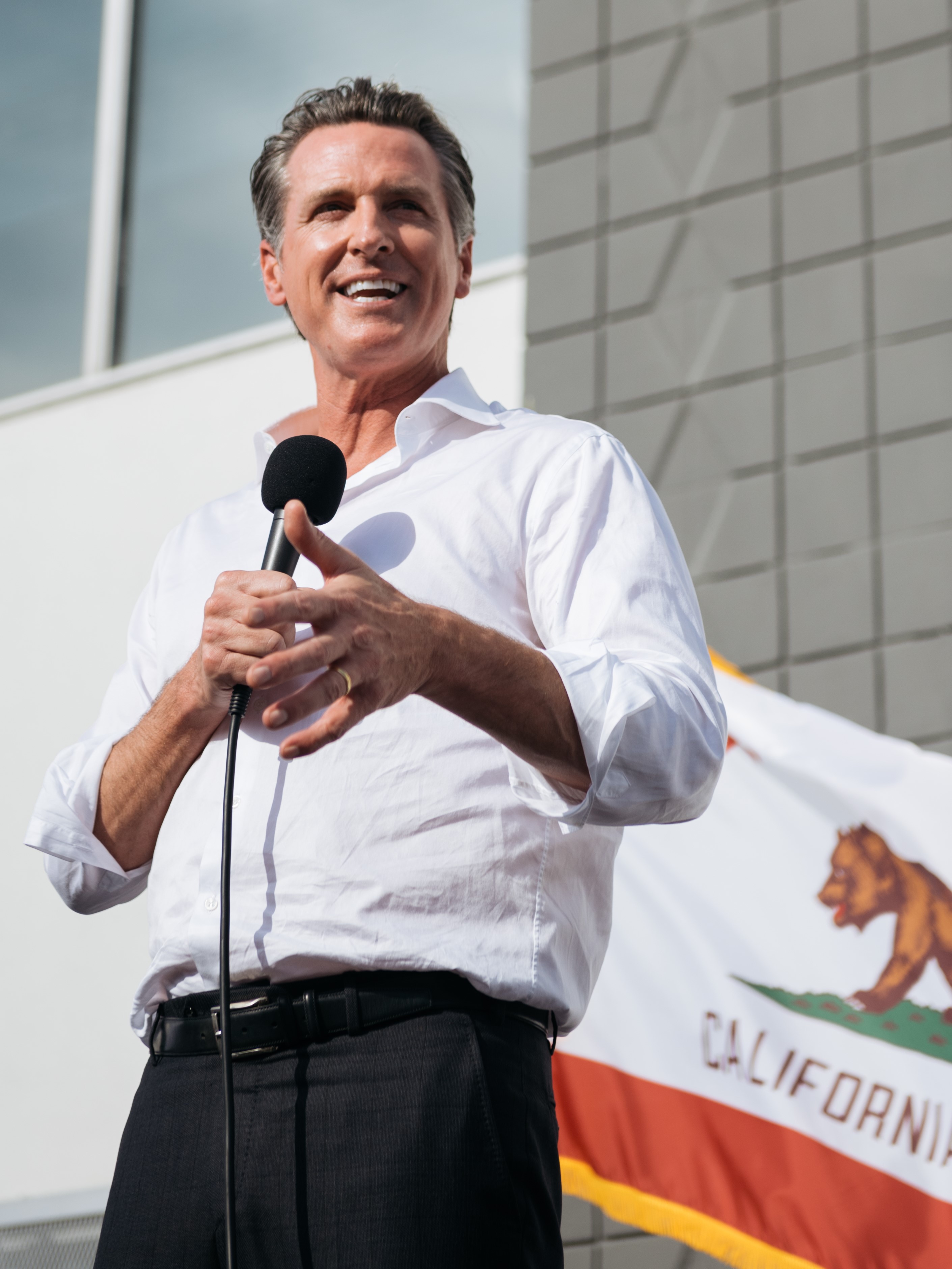
Governor
Gavin Newsom
California’s values aren’t just a point of pride; they are the very fabric of our state’s history and our future. California has been on the leading edge of change, enacting bold reforms that reflect those values. It is that entrepreneurial and innovative spirit that has allowed California’s diversity to flourish and economy to grow and become one of the largest in the world.
California for All
The California Dream — the idea that every person can achieve a better life, regardless of where they start out — is central to who we are as Californians. Even in a time of economic growth and record employment, too many Californians are experiencing the squeeze of stagnant wages and the rising price of building-block necessities such as housing, health care, education, and child care. We can and must reanimate the California Dream, building a California for All.
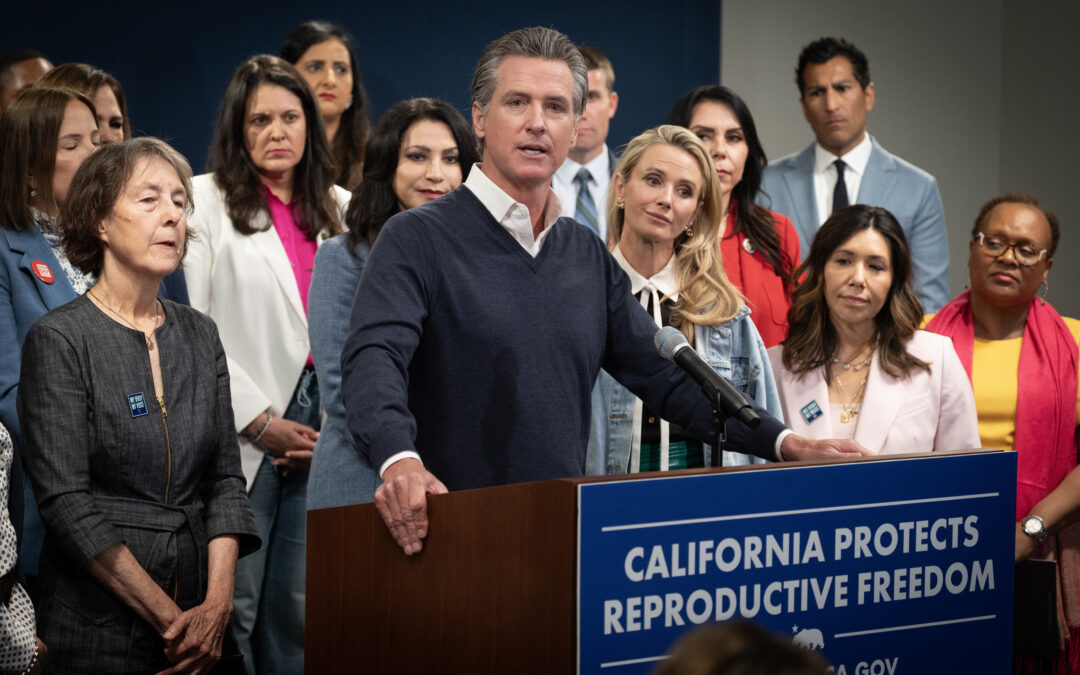
Governor Newsom & Women’s Caucus Announce Bill to Allow Arizona Doctors the Ability to Provide Abortion Care to Arizona Patients in California
WHAT YOU NEED TO KNOW: In response to a near-total abortion ban slated to go into effect in Arizona in June, Governor Newsom and the California Legislative Women’s Caucus are introducing urgency legislation to allow Arizona abortion providers to temporarily provide...

On Earth Day, Governor Newsom and First Partner Siebel Newsom Dedicate First New State Park in a Decade
WHAT YOU NEED TO KNOW: Dos Rios, California’s newest state park since 2014, is set to open in June. MODESTO – California will soon have its first new state park since 2014. On Earth Day, Governor Gavin Newsom and First Partner Jennifer Siebel Newsom helped dedicate...
With Historic Targets, California Will Use Millions of Acres of Land to Fight the Climate Crisis
WHAT YOU NEED TO KNOW: California is setting 81 targets to use millions of acres to help absorb more carbon emissions – a first for the state and among the most comprehensive in the world. SACRAMENTO – California is taking unprecedented action to strategically harness...
California Invests More Than $50 Million in Youth Substance Abuse Prevention
WHAT YOU NEED TO KNOW: California is awarding new grants to fund the “Elevate Youth California” campaign – a statewide program dedicated to supporting youth mental health and preventing substance abuse among kids and teens. SACRAMENTO — Today, Governor Gavin Newsom...
Court Reaffirms California’s Longstanding Right to Fight Vehicle Pollution
SACRAMENTO – Governor Gavin Newsom issued the following statement on today’s ruling of the U.S. Court of Appeals for the District of Columbia Circuit reaffirming California’s decades-old authority to set clean vehicle standards: “Today the court sided with common...
First Partner
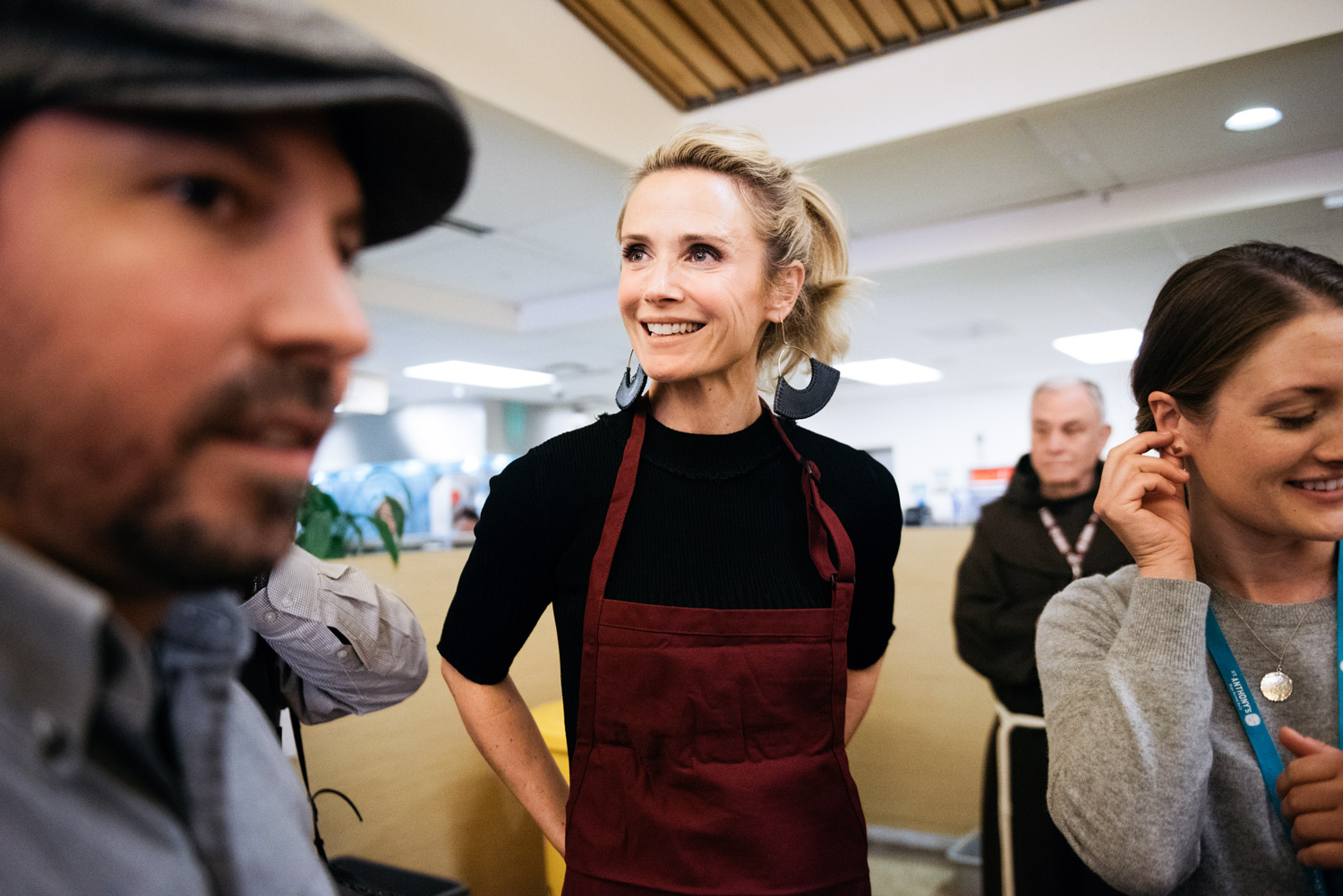
Jennifer Siebel Newsom
Jennifer Siebel Newsom is an award-winning filmmaker, advocate, and founder of the nonprofit organization The Representation Project, which inspires individuals and communities to challenge limiting gender stereotypes and shift norms.
Application for Appointment
To all persons interested in applying for a position in the Office of the Governor: Thank you for your interest in being considered for an appointment to a position in California state government.